








UFA222 คาสิโนสดอัพเดทใหม่ ไฉไลกว่าเดิม รับทุกยูส 100 บาท
UFA222 สวรรค์ของการเดิมพันที่ไม่มีที่สิ้นสุด พร้อมดินแดนเต็มด้วยความสนุกสนานและรสนิยมที่ไม่สิ้นสุดตลอด 365 วัน เป็นที่รู้จักกันอย่างกว้างขวาง ด้วยการแต่งตั้งตัวเลือกการพนันที่หลากหลายและรูปแบบที่ทันสมัย มันเป็นปฏิบัติการที่น่าตื่นเต้นที่ไม่ควรพลาดสำหรับคนที่ต้องการสัมผัสประสบการณ์ที่แตกต่าง ในโลกที่แตกต่างมีโอกาสที่กำลังรอคุณ เปิดโอกาสให้คุณผจญภัยในทุกมุมมอง ไม่เพียงแค่การเดิมพันแต่ยังเสนอโอกาสที่ไม่เคยหยุดเพิ่มเติม และการแข่งขันที่ท้าทายที่จะทำให้คุณหลงใหลในโลกของการเสี่ยง UFA222 ไม่เพียงเสนอแหล่งรายได้ที่ไม่จำกัด แต่ยังเป็นที่ที่รวบรวมความฝันและจะทำให้มันกลายเป็นจริง ไม่ว่าคุณจะเป็นนักเดิมพันมือโปรหรือเพิ่งเริ่มต้นมีทุกสิ่งที่คุณต้องการเพื่อสร้างประสบการณ์ที่ไม่เหมือนใครทุกวัน เสนอโอกาสที่จะชนะรางวัลมูลค่าสูงถึง 1 ล้านบาท นี่ไม่ใช่เพียงแค่เพื่อการเปลี่ยนสถานะการเงิน แต่ยังเป็นโอกาสที่จะเปลี่ยนแปลงชีวิต คุณสามารถเข้าร่วมการแข่งขันนี้ไม่ว่าคุณจะเป็นใคร และความรวยรสที่มันนำมาจะเป็นของคุณ เราเชื่อว่าคุณมีโอกาสในทุกการเดิมพัน และเรามีมากมายเพื่อให้คุณได้รับประสบการณ์ที่ไม่เหมือนใคร ทางเลือกที่มีให้ท่านได้สัมผัสที่นี่คือตลอด 24 ชั่วโมง ทุกเกมและโอกาสนั้นสามารถเข้าถึงได้ง่าย ทำให้คุณสามารถเพลิดเพลินกับการเดิมพันและคว้ารางวัลที่ยิ่งใหญ่ทุกเมื่อ ไม่ว่าคุณจะเป็นนักเดิมพันระดับโลกหรือนักเดิมพันใหม่ ทุกคนมีโอกาสที่จะคว้าเงินรางวัลอันใหญ่ในทุกวัน มาเป็นส่วนหนึ่งของประสบการณ์ที่สนุกและมีเสน่ห์นี้ที่ได้รับความยินดีอย่างไม่ซ้ำกัน คุณไม่เพียงแค่ได้รับโอกาสในการชนะ แต่ยังได้รับประสบการณ์การเดิมพันที่ทุกคนต้องทดลอง ที่นี่ที่เราไม่เพียงเพิ่มโอกาสในการสนุกและตื่นเต้นในโลกของการเดิมพันออนไลน์ เรายังร่วมใจกับความสำคัญของการทำธุรกรรมทางการเงินที่รวดเร็วและปลอดภัย การสะท้อนทุกดีเด่นของเว็บไซต์ที่สร้างขึ้นด้วยความใส่ใจ เราได้เลือกระบบ e-wallet สำหรับการทำธุรกรรมทางการเงิน เพื่อความสะดวกและปลอดภัย โดยรองรับการทำธุรกรรมสูงสุดถึง 2 ล้านบาท นอกจากนี้ยังประสงค์ที่จะให้ทุกคนมีโอกาสเล่นโดยไม่มีอุปสรรค ความรวดเร็วและปลอดภัยไม่เพียงเป็นคำบรรยายเพียงอย่างเดียว แต่เป็นคำยืนยันที่ทุกคนสามารถเพลิดเพลินไปกับความสนุกได้อย่างสบายใจ ที่เรากำลังมอบโอกาสใหม่ๆ ที่คุณไม่ควรพลาด

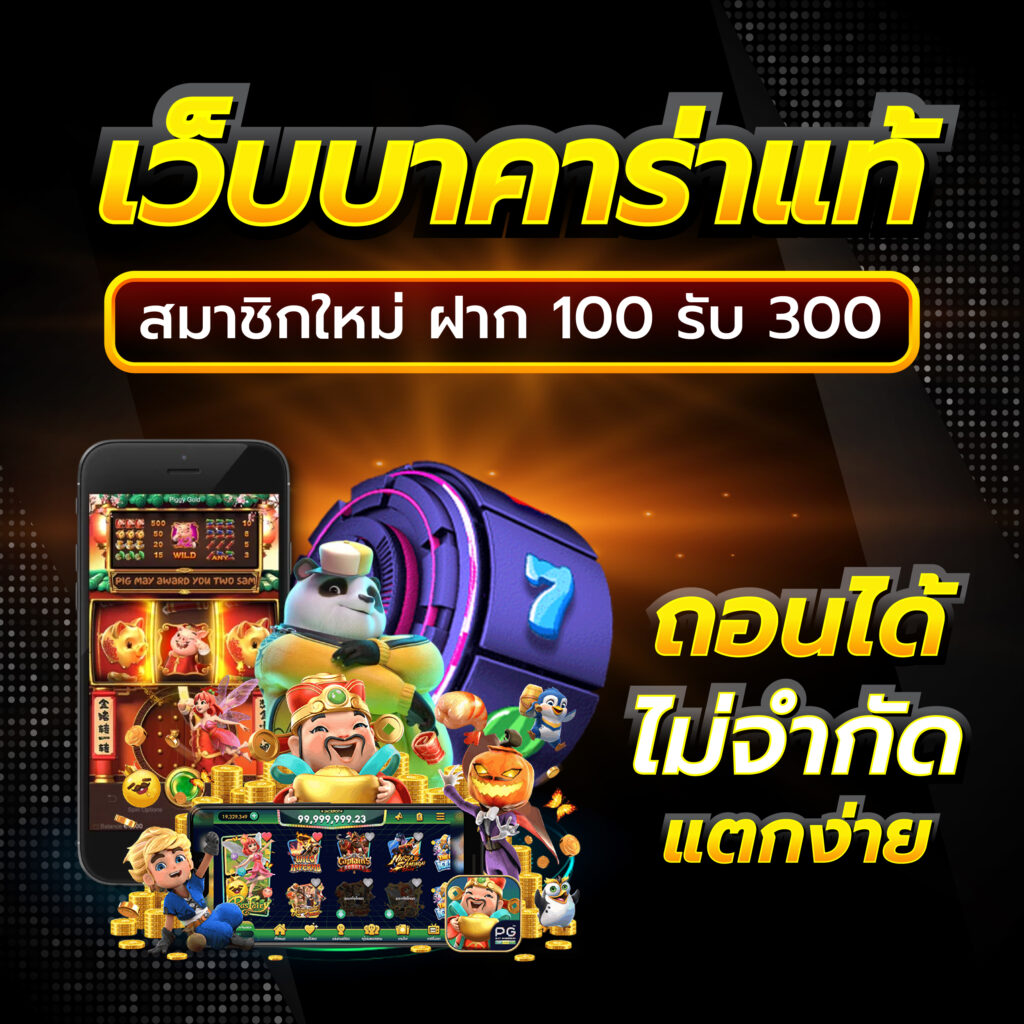
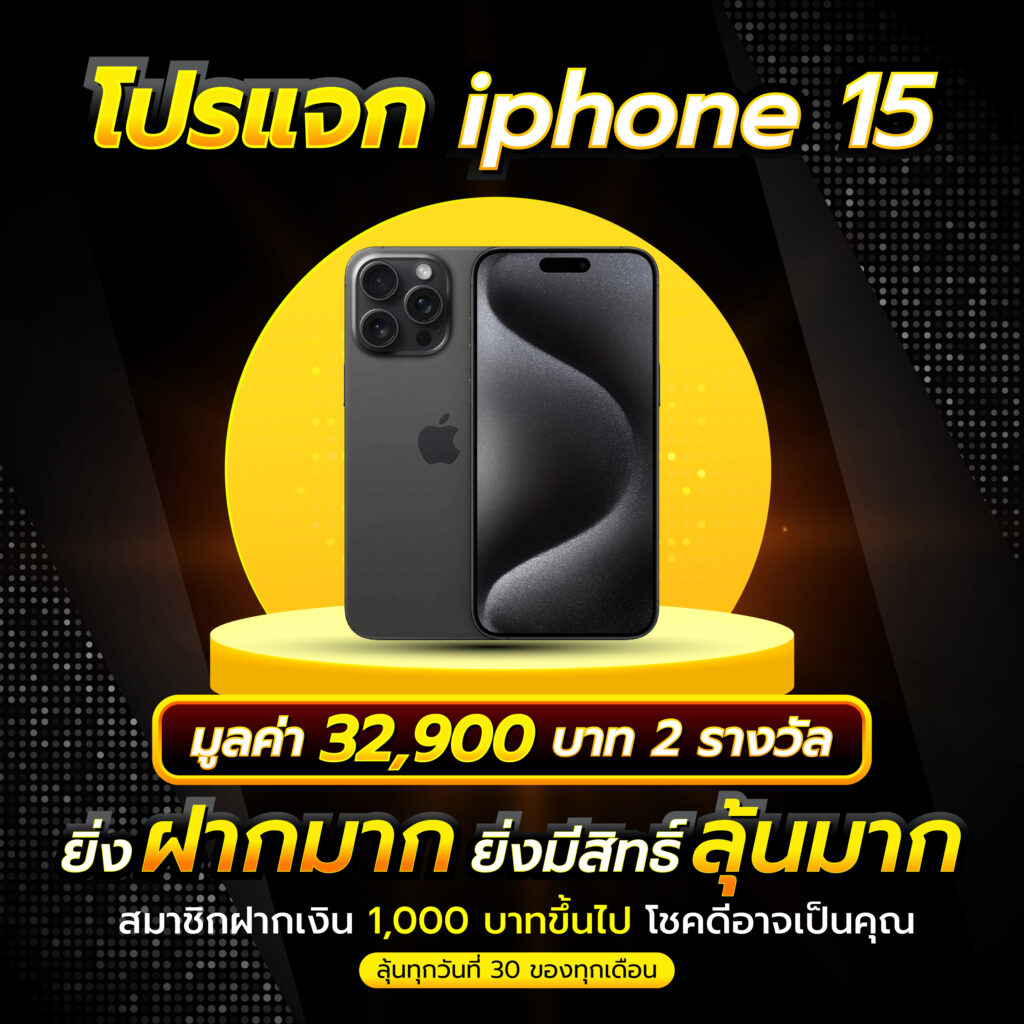
UFA222 โอกาสที่ไม่ควรพลาดในการสร้างรายได้บนโลกออนไลน์ สมัครสมาชิกใหม่วันนี้ รับโบนัสทันที 50%
ถ้าคุณยังไม่ได้ตั้งคำถามในใจของคุณว่าทำไมควรมาที่นี่ มีคำตอบทั้งหมดที่คุณต้องการ จงรับคำเชิญชวนในโลกของการเดิมพันที่ไม่มีที่สิ้นสุด และเปลี่ยนความฝันของคุณให้กลายเป็นจริงที่ดินแดนแห่งความสนุกสนานและความรวยรสที่ไม่มีที่สิ้นสุด ดินแดนแห่งการผจญภัยและความสนุกที่ไม่มีที่สิ้นสุด UFA222 INFO เราไม่เพียงเปิดโอกาสให้คุณเข้าถึงการพนันออนไลน์ที่สนุกสนานและดีใจได้ตลอด 365 วันต่อปี แต่เรายังเป็นการผจญภัยที่ทุกคนต้องมี มาเข้าร่วมเราในช่วงเวลาที่ประกาศรางวัลไม่ใช่แค่การได้เงินรางวัลมูลค่าสูง แต่เป็นการสร้างความประทับใจที่ไม่ลืมในทุกๆ คลิกทุกการหมุนวงล้อ ทุกการพนันที่นั้นมีความหลากหลายและน่าตื่นเต้น ไม่ว่าคุณจะลองทดลองทักษะของคุณในคาสิโนออนไลน์ที่เต็มไปด้วยเกมไพ่ที่ท้าทายหรือเกมกระดานที่น่าตื่นเต้น ทุกๆ การเดิมพันจะพาคุณมาพบกับประสบการณ์ที่แตกต่างจากที่อื่น โดยท่ามกลางการเดิมพันที่ไม่เหมือนใคร ระบบโบนัสของเราก็ไม่เหมือนใคร เราไม่เพียงแค่ให้โบนัสต้อนรับที่ดีเยี่ยม แต่ยังมีโปรโมชั่นและข้อเสนอที่ทุกคนต้องตื่นเต้น เราเชื่อว่าคุณมีโอกาสในทุกการเดิมพัน
และเรามีมากมายเพื่อให้คุณได้รับประสบการณ์ที่ไม่เหมือนใคร ทางเลือกที่มีให้ท่านได้สัมผัสที่นี่คือตลอด 24 ชั่วโมง ทุกเกมและโอกาสนั้นสามารถเข้าถึงได้ง่าย ทำให้คุณสามารถเพลิดเพลินกับการเดิมพันและคว้ารางวัลที่ยิ่งใหญ่ทุกเมื่อ ไม่ว่าคุณจะเป็นนักเดิมพันระดับโลกหรือนักเดิมพันใหม่ WWW UFA222 ทุกคนมีโอกาสที่จะคว้าเงินรางวัลอันใหญ่ในทุกวัน มาเป็นส่วนหนึ่งของประสบการณ์ที่สนุกและมีเสน่ห์นี้ที่ได้รับความยินดีอย่างไม่ซ้ำกัน คุณไม่เพียงแค่ได้รับโอกาสในการชนะ แต่ยังได้รับประสบการณ์การเดิมพันที่ทุกคนต้องทดลอง ที่นี่ที่เราไม่เพียงเพิ่มโอกาสในการสนุกและตื่นเต้นในโลกของการเดิมพันออนไลน์ เรายังร่วมใจกับความสำคัญของการทำธุรกรรมทางการเงินที่รวดเร็วและปลอดภัย การสะท้อนทุกดีเด่นของเว็บไซต์ที่สร้างขึ้นด้วยความใส่ใจ เราได้เลือกระบบ e-wallet สำหรับการทำธุรกรรมทางการเงิน เพื่อความสะดวกและปลอดภัย โดยรองรับการทำธุรกรรมสูงสุดถึง 2 ล้านบาท มาร่วมลงเสนอโอกาสใหม่ๆ ที่ ufa222 และประสบกับการเดิมพันที่ไม่เหมือนใคร








มาร่วมสนุกและเข้าร่วมการเดิมพันกับค่ายเดิมพันตอนนี้ พร้อมรับรางวัลและความสนุกที่ยิ่งใหญ่รอคุณอยู่
UFA222 โลกของการเดิมพันที่สนุกสนานและปลอดภัย สามารถสัมผัสความสนุกสนานและความปลอดภัยในโลกของการเดิมพันออนไลน์ได้ที่นี่ ที่ไม่เพียงเพียงสร้างโอกาสให้คุณคว้ารางวัลมหาศาลในโลกของการเดิมพัน แต่เรายังเตรียมความสำคัญในด้านความปลอดภัยและความน่าเชื่อถือในการบริการของเรา การลงทุนไม่เพียงแค่เรื่องของการรวย มันเป็นการลงทุนในความสบายใจของลูกค้าทุกคน เราให้ความสำคัญกับความมั่นใจของลูกค้าเป็นสิ่งสำคัญที่สุด ด้วยระบบที่ทันสมัยและการป้องกันข้อมูลที่เข้มงวด UFA222 สมัครสมาชิกใหม่รับเครดิตฟรี เราทำให้คุณสามารถเพลิดเพลินในประสบการณ์การเดิมพันออนไลน์ของคุณได้อย่างปลอดภัยที่สุด มีระบบทำรายการการเงินที่ง่ายต่อการใช้งาน การฝากและถอนเงินเป็นเรื่องง่าย ๆ และรวดเร็วด้วยระบบที่ปลอดภัยมั่นใจ คุณสามารถทำธุรกรรมการเงินของคุณได้ทุกที่ทุกเวลา ทีมงานคุณภาพและมืออาชีพของเราคอยดูแลเฉพาะการเดิมพันที่เป็นธรรม การตรวจสอบและควบคุมคุณภาพของเกมอย่างต่อเนื่อง เพื่อให้คุณได้รับประสบการณ์การเดิมพันที่เพลิดเพลินและปลอดภัย ด้วยทีมงานของเราพร้อมที่จะช่วยเสมอในทุกสถานการณ์ ไม่ว่าคุณจะมีคำถามเกี่ยวกับการเดิมพันหรือต้องการความช่วยเหลือในการทำรายการ เราพร้อมที่จะช่วยหลังจากที่คุณเข้าร่วมโลกออนไลน์ของเรา คุณจะพบว่าการเดิมพันออนไลน์ไม่เพียงแค่เรื่องของการลุ้นโชค มันยังเป็นโอกาสที่จะสร้างรายได้อย่างมีสุขภาพและทุกขั้นตอนได้รับการดูแลอย่างดี เราเป็นที่มาที่ดีที่สุดสำหรับความบันเทิงและรายได้ที่ไม่มีที่สิ้นสุดบนโลกออนไลน์ มาเป็นส่วนหนึ่งของ UFA222 เครดิตฟรีไม่ต้องฝาก และเปิดโอกาสให้คุณได้สัมผัสความตื่นเต้นที่ไม่เหมือนใครและรับรางวัลที่คุ้มค่าอย่างไม่มีที่สิ้นสุด การเดิมพันกับเราคือการลงทุนในความสนุกและความปลอดภัย มาร่วมเป็นส่วนหนึ่งของเราและสร้างรายได้มหาศาลตอนนี้ ไม่ว่าคุณจะเป็นใครหรือมีประสบการณ์การเดิมพันเพียงใด ทุกคนมีโอกาสที่จะเป็นส่วนหนึ่งของครอบครัวที่นี่ UFA222 แจกทุนแค่สมัคร เราต้อนรับทุกท่านเข้าสู่โลกของการเดิมพันและโชคดี โปรโมชั่นและของขวัญที่เราเสนอถูกออกแบบมาเพื่อสร้างโอกาสและความสำเร็จที่ไม่มีที่สิ้นสุด รางวัลที่คุณสามารถคูณได้มากถึงหนึ่งแสนบาทกำลังรอคุณ และถ้าคุณกำลังมองหาโอกาสที่สามารถทำเงินในโลกของการเดิมพันออนไลน์ เรามีโปรโมชั่นและของขวัญที่จะช่วยเพิ่มโอกาสให้คุณได้รับรายได้และความสำเร็จอย่างมีประสิทธิภาพ





เข้าสู่โลกของความสนุกสนานและความมั่นคงในการเดิมพันออนไลน์ที่ไม่เหมือนใคร
ทุกครั้งที่คุณเข้าสู่ UFA222 คุณจะได้พบกับประสบการณ์การเดิมพันที่ไม่เหมือนใคร ที่นี่ไม่เพียงเพียงสถานที่สำหรับการลุ้นโชค แต่เป็นสถานที่ที่ความสนุกและความมั่นคงร่วมกันสร้างสรรค์เอาไว้เพื่อคุณ เราไม่เพียงแค่สร้างโอกาสให้คุณได้คว้ารางวัลมากๆ ในโลกของการเดิมพันออนไลน์ แต่เรายังเตรียมความสำคัญในด้านความปลอดภัยและความน่าเชื่อถือในการบริการของเรา UFA222 บาคาร่าฟรีเครดิต เราเชื่อว่าการลงทุนที่ดีที่สุดไม่ใช่แค่การเพิ่มรายได้เท่านั้น แต่ยังเป็นการลงทุนในความสบายใจของลูกค้าทุกคน เราให้ความสำคัญกับความมั่นใจและความสบายใจของลูกค้าเป็นสิ่งสำคัญที่สุด เรามีระบบที่ทันสมัยและเชื่อถือได้ ทำให้คุณสามารถเพลิดเพลินไปกับประสบการณ์การเดิมพันของคุณได้อย่างปลอดภัยสูงสุด การทำรายการการเงินกับเราไม่เพียงแค่ง่ายแต่ยังปลอดภัยและรวดเร็ว UFA222 เรามีทีมงานคุณภาพและมืออาชีพที่คอยดูแลการเดิมพันอย่างซื่อสัตย์ และเพื่อให้คุณได้รับประสบการณ์ที่เพลิดเพลินและปลอดภัย เราคัดค้านและควบคุมคุณภาพของเกมอย่างต่อเนื่อง ไม่ว่าคุณจะมีคำถามเกี่ยวกับการเดิมพันหรือต้องการความช่วยเหลือในการทำรายการ ทีมงานของเราพร้อมที่จะช่วยเสมอ UFA222 มุ่งมั่นที่จะให้ประสบการณ์การเดิมพันที่ไม่เหมือนใคร และเราเชื่อว่าทุกคนมีโอกาสที่จะได้สัมผัสโลกของความตื่นเต้นและประสบการณ์การเดิมพันที่ไม่มีที่สิ้นสุดที่นี่
พบกับโลกของการเดิมพันที่เต็มไปด้วยความสนุกและโปรโมชั่นที่ไม่ซ้ำกัน ที่จะเริ่มต้นการเดิมพันของคุณด้วยความมั่นใจและพลัง เราเข้าใจความต้องการของทุกคน ไม่ว่าคุณจะเป็นนักเดิมพันที่มีประสบการณ์หลายปี หรือนักเดิมพันที่พึงประสงค์ที่เพิ่งเริ่มต้น โปรโมชั่นนี้จะพาคุณในการเดินทางที่ไม่เคยมีมาก่อน UFA222 คุณมีโอกาสเดิมพันทั้งที โดยได้รับเครดิตฟรีทันที 1 เท่าตามที่คุณฝากเงินในระบบ และถ้าคุณตัดสินใจที่จะไม่ขอรับเครดิตแรกเข้า คุณยังมีโอกาสที่จะได้รับเครดิตฟรีสูงสุดถึง 5,000 เครดิต นอกจากนี้ถ้าคุณพบความท้าทายและต้องการที่จะทำให้ประสบการณ์การเดิมพันของคุณมีประสิทธิภาพมากขึ้น โปรโมชั่นคืนยอดเสียเป็นเครื่องมือที่มีประสิทธิภาพ ทุกคนที่ลงทะเบียนเพื่อเดิมพันออนไลน์ได้รับรางวัลที่มีมูลค่าสูงถึง 5% ของยอดเสีย โอกาสที่คุณสามารถขอรับคืนได้ตามอัตราส่วนที่เท่าเทียมกัน ความมุ่งมั่นและความสำเร็จที่คุณได้รับจะเป็นเหตุผลที่คุณควรมาร่วมเดิมพันกับเรา UFA222 จะทำให้คุณมีประสบการณ์การเดิมพันที่ดีที่สุดที่เรียกได้ว่าไม่ซ้ำกัน ร่วมสนุกและสัมผัสประสบการณ์ที่ท้าทายและเพลิดเพลินไปกับโปรโมชั่นที่ท้าทายและของขวัญมูลค่ามากกว่า 100,000 บาท ที่มีทุกสิ่งที่คุณต้องการ ไม่ว่าคุณจะเป็นใครหรือมีประสบการณ์เดิมพันเพียงใด ทุกท่านมีโอกาสที่จะเริ่มต้นการเดิมพันที่นี่และเดี๋ยวนี้
ร่วมส่วนหนึ่งของครอบครัวด้วยความสนุกและความตื่นเต้นในโลกของการเดิมพันออนไลน์ที่ไม่เหมือนใคร
ทุกความต้องการของคุณถูกรวบรวมไว้ในที่เดียว ไม่ต้องเสียเวลาในการสมัครกับหลายๆ ค่ายหรือใช้เงินทุนมหาศาลที่นี่ เพราะเรามอบโปรโมชั่นที่ท้าทายและของขวัญมูลค่ากว่า 100,000 บาท เพื่อทุกคนสามารถเข้าร่วมการเดิมพันอย่างเท่าเทียมกันได้ รู้ดีว่าการเล่นการเดิมพันไม่ได้เป็นเพียงแค่ความสนุกและตื่นเต้น แต่ยังเป็นโอกาสในการสร้างรายได้และความโชคดี การทายผลที่ดีในโลกของการเดิมพันออนไลน์คือความฝันของเรา มาเป็นส่วนหนึ่งของโลกนี้ที่เราได้เตรียมการให้โอกาสใหม่ๆ ที่คุณไม่ควรพลาด โปรโมชั่นและของขวัญเต็มไปด้วยสำหรับทุกคน เพื่อให้ทุกคนสามารถเริ่มต้นการเดิมพันอย่างเท่าเทียมกันได้ มอบโปรโมชั่นพิเศษที่มาพร้อมเครดิตฟรีสูงสุดถึง 500 เครดิต จำนวนเครดิตฟรีขึ้นอยู่กับกิจกรรมและช่วงเวลาการสมัครสมาชิก ซึ่งเป็นโอกาสที่คุณไม่ควรพลาด หากคุณเริ่มต้นโดยไม่ขอรับเครดิตแรกเข้าแต่เติมเงินในระบบทันที คุณจะได้รับเครดิตฟรีที่คุณสามารถใช้เดิมพัน และหากคุณสามารถทำยอดเทิร์นโอเวอร์ คุณจะสามารถถอนกำไรได้ทุกคนจะได้โอกาสเริ่มต้นโดยไม่ต้องลงทุนเงินของตัวเอง และเพียงแค่ฝีมือและความมุ่งมั่นของคุณในการพิชิตชัยก็เพียงพอ ร่วมกับเราที่นี่และเริ่มต้นการเดิมพันที่นี่และเดี๋ยวนี้ มาร่วมจัดเต็มด้วยโปรโมชั่นที่ท้าทายและของขวัญมูลค่ากว่า 100,000 บาท พร้อมสร้างรายได้จำนวนมหาศาลตอนนี้